What is ABS? Is it plastic or resin?
Acrylonitrile-butadi
Acrylonitrile-butadiene-butadiene polymer, ABS is the initials of Acrylonitrile Butadiene Styrene. Both views are correct. First, we must know the difference between plastic and resin: Plastic (resin figurine) is a material that uses resin (or a single immediate aggregate in the production process) as the main component, and uses tackifiers, fillers, lubricants, additives and other additives as auxiliary components. It can be said that it is a material and product that uses resin as the basic raw material and has ductility. Plastic generally refers to finished products, such as plastic cups, plastic bowls, etc. Resin (resin craft) generally refers to raw materials, such as high-pressure polyethylene resin, polypropylene resin, polyester resin, etc., but in general, the two special terms plastic and resin can be used interchangeably. Therefore, it can be said that plastic is resin, and resin is plastic. It is not difficult to see that resin is one of the raw materials of plastic, and plastic is the finished product of resin. In other words, unmolded refers to resin, and molded is plastic.
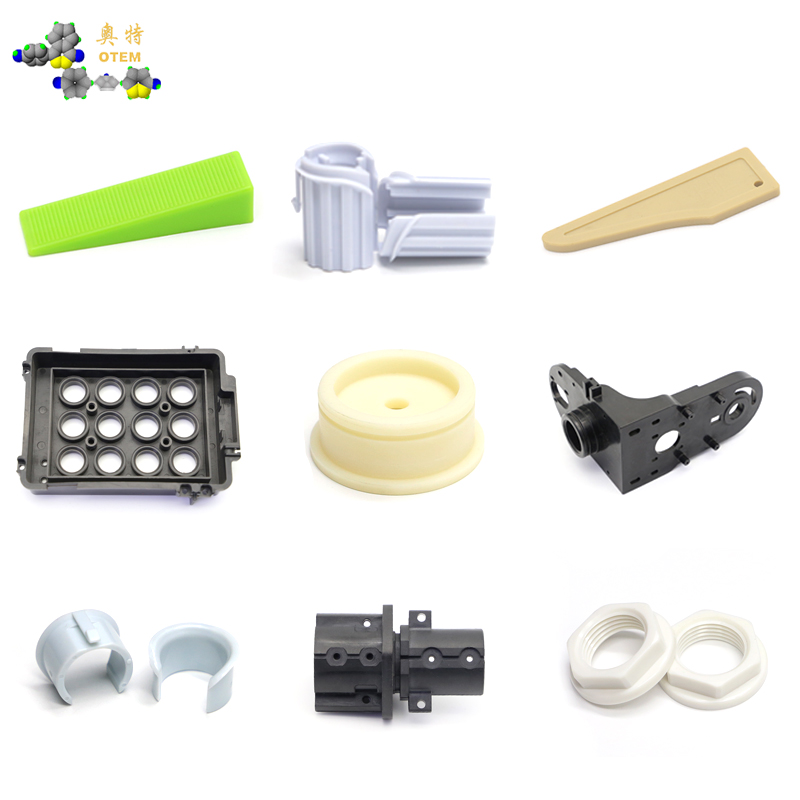
ABS material is a common thermosetting plastic that can be injection molded and is used to make small toys, practical tools and sports products.
Welcome to consultGuangzhou Aote Engineering Plastics Co., Ltd., your professionalABSconsultant!
If you are used to printing with PLA materials, you may find that printing with ABS is a little more complicated. It requires more processes and the settings are also different. However, ABS materials are indeed very heat-resistant and extrusion-resistant, and the actual molding effect is better.
ABS plastic is a general name, to be precise it should be called ABS resin
The poster's question is divided into two questions, but in fact it only asks one difficult question: Is ABS material plastic or resin?
ABS materials can be precisely divided into two types: ABS resin and ABS plastic.
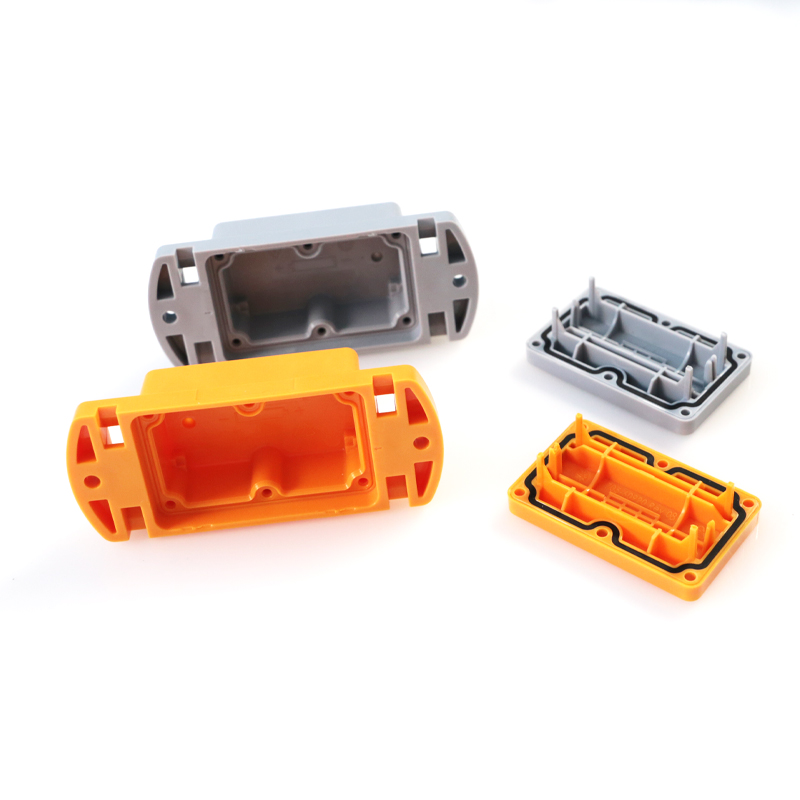
Among them, ABS plastic is the finished product of ABS resin. ABS resin is a copolymer of acrylonitrile (PAN), butadiene (PB) and polystyrene (PS). Its English name is Acrylonitrile-butadiene-styrene, commonly known as ABS. ABS plastic is an engineering plastic after ABS resin is improved through modified materials (adding additives or aluminum alloys, etc.).
In the production process of petrochemical equipment, ABS is mainly produced by the moisturizing emulsion method. First, butadiene and acrylonitrile are aggregated into AS resin, and then aggregated with butadiene in the state of moisturizing emulsion to obtain ABS resin.
In addition, fully transparent ABS produced by replacing acrylonitrile AN with MMA, high-temperature resistant ABS obtained by thermally polymerizing ABS resin with PMI or MAH, and flame-retardant ABS obtained by adding halogen-free flame retardants are all ABS plastics.
In addition, there is another saying that resins are divided into natural resins and synthetic resins, and all synthetic resins can be called plastics. That is, ABS is directly made up of three monomer copolymers, which can be called ABS resin or ABS plastic.
Originally, the distinction between the two words resin and plastic is not very strict, so in actual production or business reception, whether ABS is plastic or resin is actually not that important.
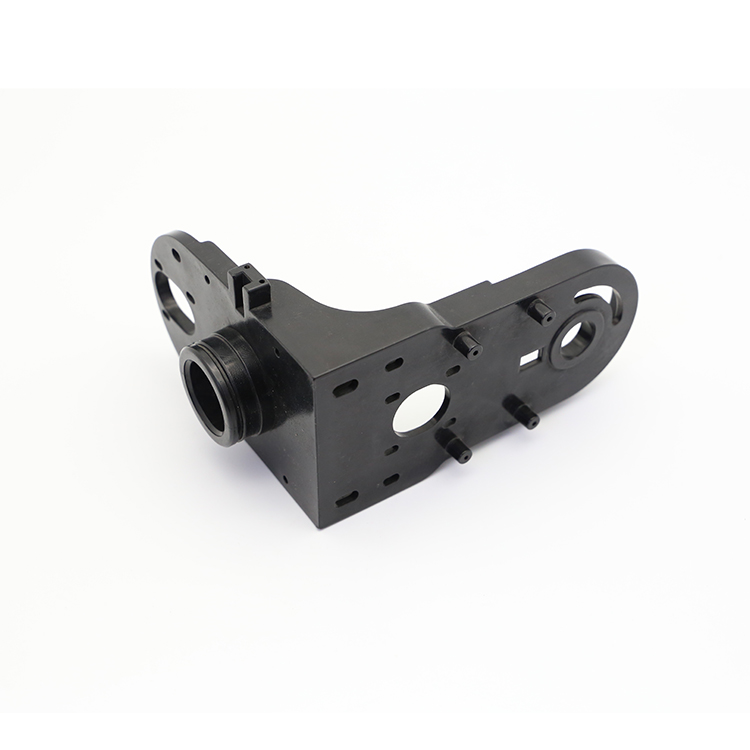
Welcome to consultGuangzhou Aote Engineering Plastics Co., Ltd., your professionalABSconsultant!
About Us Product Infor Application Service Human Resources Contact us
———— ———— ———— ———— ———— ———— ————
Company Profile Hign-Perfomance E?egineering? news Industry Application Technical Q&A Humanistic care Contact information
C?ompany culture E?egineering Plastic Applications Humanities Policy Online message
Enterprise Honor Fluoroplastic Job Recruitment