The impact of engineering plastics on the medical field
Accompanied byEngine
Accompanied byEngineering PlasticsWith the rapid development of technology and production process, plastic products have quietly led the development of the medical industry. Many machines and equipment that were originally made of copper and iron have gradually become "plastic heads and plastic brains", and even surgical blades have gradually been made of non-metallic materials. Plastics are slowly showing their talents in the medical device industry with their excellent performance characteristics!
Application cases of engineering plastic medical equipment components
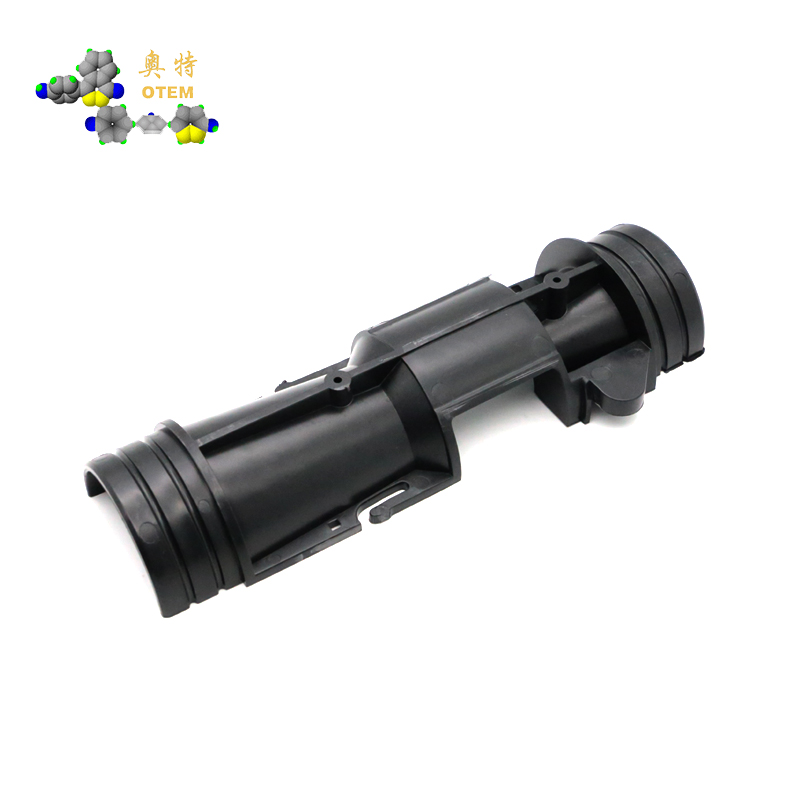
1. Introduction to engineering plastics:
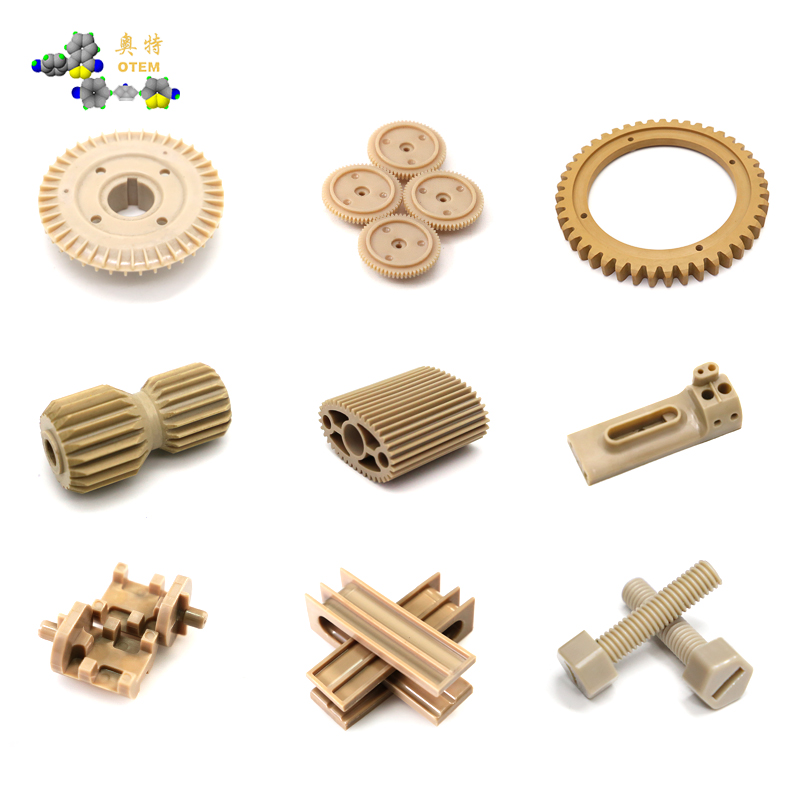
Engineering plastics refer to plastics that can be used as materials for engineering projects and replace metal parts and components. Engineering plastics have good comprehensive properties, high rigidity, low stress relaxation, high mechanical strength, good temperature resistance, good insulation, and can be used in harsh organic chemical and material environments for a long time. They can replace metal materials as building structural materials, but they are more expensive and have a relatively small production volume.
2. Performance characteristics:
1. Compared with general-purpose plastics, it has good heat resistance and low temperature resistance, excellent mechanical performance in a wide temperature range, and is suitable for use as a structural material;
2. Excellent corrosion resistance, less affected by the environment, and good durability;
3. Compared with metal materials, it is very easy to produce and process, with high work efficiency, and can simplify the process and save costs;
4. Good heat resistance and insulation;
5. It is light in weight, high in specific strength, and has outstanding anti-friction and wear-resistant properties.
3. Special requirements of medical machinery for plastic raw materials:
1. Since most single and aggregated chemical substances contain harmful components to the human body, there are very strict restrictions on the corresponding residues in medical plastics;
2. In the polymerization process of plastics, it is inevitable to use materials containing heavy metal ions such as reaction tanks and catalyst carriers. According to the national standard for medical plastics, the residual heavy metal ions such as lead, cadmium, copper, zinc, tin, and barium are clearly stipulated;
3. Medical plastics require epoxy resins with high purity and narrow molecular weight distribution;
4. Additives in the plastic modification process must use non-toxic modifiers to avoid precipitation of modifiers during long-term use, which may harm product performance and treatment;
5. Medical plastics also have special functional requirements such as surface water absorption, anti-coagulation, and radiation sterilization resistance;
4. Demand for plastics in medical equipment and supplies:
1. Medical equipment and supplies are inevitably exposed to some medicines during use, and there are certain requirements for the acid and alkali resistance of plastics;
2. Most medical equipment is an automated machine that can be adjusted and rotated, so there is a requirement for self-lubricating bearings on plastics;
3. The lighting usage rate in the hospital outpatient work environment is relatively high, and aging resistance is a hard requirement for plastics in equipment;
4. X-ray equipment, B-ultrasound equipment, imaging equipment and other diagnostic equipment require the use of radiation-proof plastic materials;
5. Reliability is also very important. In China, medical equipment network resources are relatively scarce, and the single power efficiency is high. This requires relatively high reliability to be able to start normally under long-term load conditions;
The use of engineering plastics in medical consumables
5. Application of engineering plastics in medical devices:
1. Use of general consumables for diagnosis and treatment
Including: syringes, injection needles, blood transfusion sets, disposable blood collection needles, medical supplies, surgical towels, surgical gloves, etc.
2. Brain surgery equipment
Including: extracranial drainage method equipment, high-precision extracranial drainage method equipment, lumbar cistern drainage method equipment, skull patch, etc.
3. Respiratory anesthesia equipment
Including: tracheotomy, laryngeal mask, closed suction tube, working pressure extension tube, respiratory anesthesia control circuit, breathing mask, emergency balloon suction ball, nebulizer dosing device, tracheotomy tube, special-shaped tracheotomy, anesthetic puncture kit, tracheal intubation kit, etc.
4. Dialysis membrane products
Including: embedded tube, external tube, titanium metal joint, medicine bag, etc.
5. Cardiovascular and cerebrovascular disease products
Including: universal cardiovascular stents, drug-loaded cardiovascular stents, biodegradable cardiovascular stents, cardiovascular occluders, angiography catheters, working pressure injection needles, etc.
The use of engineering plastics in eye examination equipment
6. Use of engineering plastics in medical equipment:
1. Use of equipment casing
Including: general X-ray machine, fluoroscopy machine, digital subtraction angiography X-ray machine, medical MRI machine, automatic blood analyzer, biological microscope, high-speed refrigerated centrifuge, color Doppler ultrasound machine, endoscope imaging work platform, gastrointestinal motility tester, core negative pressure suction facilities, etc.
2. Use of mechanical parts of machinery and equipment
Including: multi-purpose emergency bed, mobile ultraviolet sterilization lamp, portable ventilator, portable oxygen saturation ECG monitor, dynamic EEG ECG monitor, mobile negative pressure suction device, bed unit ozone generator, mobile negative pressure suction device, etc.
3. Tightening application management of internal structural parts
Including: ultraviolet therapy device, excimer therapy device, emerald laser beauty device, neonatal hearing selection device, compound single pulse magnetic therapy device, spinal correction bed, automatic computer vision device, rapid ultra-high pressure and high temperature sterilization equipment, etc.
Application of engineering plastics in B-ultrasound equipment
Ever slow down and look around during a visit to the doctor or hospital? Dozens of medical devices and hygiene tools are made possible by plastics. From examination gloves to sterile syringes to IV tubing, plastics are everywhere in medicine because they help protect people, fight pollution and save lives.
Recent advances could lead to more healthcare innovations and help people around the world. Here are some examples:
Diagnosis and treatment of engineering plastics rescue technology emergency rescue
Plastic Heart: A fully artificial heart made of plastic can be used to wait for transplantation while increasing the life expectancy of people with chronic heart failure. The plastic heart replaces the atrium and four heart valves and increases the life expectancy of loved ones for many years.
Foam: A new use for polyurethane foam may help stabilize severely injured trauma patients. The U.S. military has funded the development of ResQFoam, a self-expanding foam that is injected into the abdominal cavity to help stop bleeding into the tissue. The foam expands inside the abdomen, applying pressure to the wound and conforming it to the injured tissue, greatly reducing blood loss and thus increasing the chance of survival.
Avoid pain

Painless injections: Needle injections can be painful, but easier ways to deliver medications are on the way. One currently under development is a tiny patch made of dozens of plastic "microneedles" that melt after being inserted into the skin, releasing the medication as it does so. Another is the MucoJet, a small plastic bulb and barrel that is held against the structure of the cheek and compressed, releasing the medication through the mouth's mucosal lining and into the body.
Bacteria-Resistant Plastics: Millions of people have tragically developed hospital-acquired infections, which often occur when bacteria take up residence on exposed surfaces of medical devices. Researchers are considering non-stick polymer coatings to inhibit bacterial growth. Plastics can be used to make hoses or medical devices to prevent preventable diseases.
Diagnosis and treatment of engineering plastic human organs
3D Printed Body Parts: We can 3-D print toys, tools, cars, and more. Although 3-D printed body parts are not yet complete, they are closer than you think. Researchers have been working to print various human body parts such as kidneys, skin, bones, cartilage, tissues, blood vessels, etc., made of various cell types, and using plastic to help maintain the structure of the parts. Today, 3-D printed plastic human body part models are used for complex, difficult surgical research and practice.
Self-healing plastics: Researchers are developing new materials that can heal plastics and use them to build artificial skin and muscles. Plastic skin mimics the stability and sensitivity of human epidermis and could make a new prosthetic limb, while plastic muscle tissue could be used to help move prosthetic limbs, replace missing parts, and even be used in advanced intelligent robots. And they can all have their own abilities, just like human cells.
If you think about it, all those plastic medical tools you've been using in your doctor's office are groundbreaking. Plastics will also continue to help drive the healthcare innovations we can only dream of living today.
The following is a brief introduction to the properties of several common types of medical plastics:
1. Polyethylene (PVC):
Hard PVC has no or a small amount of tackifiers, has good compressive strength, flexural strength, compressive strength and impact resistance, and can be used as a structural material alone. Soft PVC contains a large amount of tackifiers, which improves its flexibility, tensile strength, and cold resistance, but reduces its ductility, strength, and compressive strength. The density of pure PVC is 1.4g/cm3, and the density of PVC plastic parts with flame retardants and fillers is generally within the range of 1.15~20g/cm3. This is mainly because the resin has low cost, a wide range of applications, and is easy to process. PVC products used in medicine are: hemodialysis pipes, respiratory masks, oxygen tubes, etc.
2. High-pressure polyethylene (PE):
PE mainly includes low-density polyethylene (LDPE), high-density polyethylene (HDPE) and ultra-high molecular weight high-density polyethylene (UHDPE). HDPE has fewer carbon bonds in its polymer chain, higher molecular weight, grain size and density, greater strength and compressive strength, poor opacity, and a relatively high melting point, and is mainly used for injection molding products.
LDPE contains many carbon bonds, so the amount of material is relatively small, the grain size and relative density are relatively low, it has strong flexibility, impact resistance and light transmittance, and is mainly used in film blowing machines. It is an alternative to the currently commonly used PVC. HDPE and LDPE can also be mixed according to application performance requirements. UHDPE has high impact strength, low friction coefficient, stress cracking resistance and good energy absorption characteristics, making it an ideal material for synthetic hip, knee and shoulder connectors.
3. Polypropylene (PP):
Polypropylene has no color, no odor, and is non-toxic. It looks like high-pressure polyethylene, but is more transparent and lighter than high-pressure polyethylene. PP is a thermosetting plastic with good performance, with the characteristics of small weight (0.9g/cm3), non-toxicity, easy processing, impact resistance, and tensile strain resistance. It has a wide range of applications in daily life, including packaging bags, plastic films, plastic turnover boxes, cable shielding materials, toys, car bumpers, chemical fibers, washing machines, etc.
Medical PP has high clarity, good barrier and radiation resistance, and is widely used in medical equipment and packaging industries. Non-PVC materials based on PP are alternatives to the commonly used PVC materials.
PP is a semi-crystalline material with a low melting point, good temperature resistance, and can be sterilized at temperatures above 100°C. Its tensile strength, compressive strength, tensile strength, elasticity and elasticity are higher than those of high-pressure polyethylene (PE).
4. Polyethylene (PS) and K epoxy resin:
PS is the third largest plastic type after polyethylene and high-pressure polyethylene. It is generally used for two-component plastic reprocessing and application. Its main features are light texture, full transparency, easy coloring, and excellent molding and processing performance. Therefore, it is widely used in daily plastics, household appliance parts, optical equipment and stationery. Its main uses in daily life include water cups, outer covers, bottles, cosmetic packaging boxes, clothes hangers, small toys, PVC substitutes, food packaging materials and medical equipment supplies.
5. Acrylonitrile-butadiene-butadiene polymer (ABS):
ABS has certain rigidity, strength, impact resistance, solvent resistance, radiation resistance and ethylene oxide sterilization resistance. ABS is mainly used in general surgery tools, barrel iron clips, plastic needles, tool boxes, diagnostic components and hearing aid housings, especially some large and medium-sized medical equipment housings.
6. Polycarbonate (PC):
The common characteristics of PC are ductility, strength, rigidity and resistance to high temperature steam sterilization, which makes PC the first choice for blood absorption filters, general surgery tool handles and oxygen cylinders (such as in general heart surgery, these instruments can remove carbon dioxide from the blood and increase O2). The medical application of PC also includes needle-free injection systems, injection equipment, blood centrifuge bowls and pistons. Taking advantage of its high transparency, ordinary glasses are made of PC.
7. Polytetrafluoroethylene (PTFE):
Polytetrafluoroethylene resin is a white crystal with a waxy, smooth and non-stick appearance. PTFE has excellent performance, which is incomparable to ordinary thermosetting plastics, so it is known as the "King of Plastics". Its friction resistance is the lowest among plastics, and it has good compatibility. It can be made into artificial blood vessels and other devices that are directly embedded in the human body.
Guangzhou Aote Engineering Plastics Co., Ltd., your professional plastics consultant!
About Us Product Infor Application Service Human Resources Contact us
———— ———— ———— ———— ———— ———— ————
Company Profile Hign-Perfomance E?egineering? news Industry Application Technical Q&A Humanistic care Contact information
C?ompany culture E?egineering Plastic Applications Humanities Policy Online message
Enterprise Honor Fluoroplastic Job Recruitment