Plastic science - Those things about plastic bearings
Advantages of plasti
Advantages of plastic bearings
1, plastic bearings as a whole are lubricating materials, long service life.
2, the application of plastic bearings will not occur rust phenomenon and corrosion resistance, and metal material bearings easy to rust can not be used in chemical liquids.
3, plastic bearings are lighter than metal materials, which is more suitable for modern lightweight design trends.
4. The manufacturing cost of plastic bearings is lower than that of metal materials; Plastic bearing selection is injection molding production and processing is relatively suitable for mass production and manufacturing.
5, plastic bearings in the operation without a little noise, has a certain vibration absorption function.
6, plastic sliding bearings are suitable for high and low temperature operation -200 ~ +250 degrees.
Plastic plain bearings can not only be made into the style of shaft sleeve, but also can be made into plastic linear plain bearings, but the prerequisite is that the material made of must be self-lubricating and improved to improve its comprehensive wear resistance; And we Guangzhou Aote Engineering plastics in plastic bearing customization has more than 20 years of production customization experience, product quality is very guaranteed.
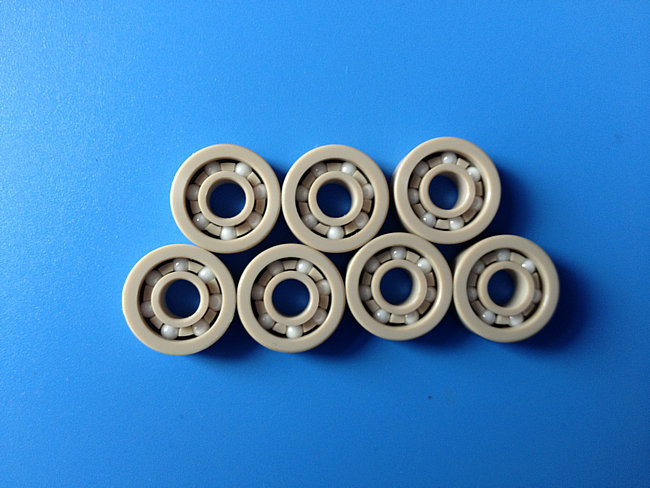
Plastic bearing processing flow
Plastic bearing production process:
Raw materials - inner and outer ring processing, plastic ball or roller processing, cage (stamping or solid) processing - bearing assembly - bearing finished product. Our Guangzhou Aote Engineering Plastics has more than 20 years of plastic bearing customization experience, it is worth your choice.
In the production process of plastic bearings, the most critical link is:
1. Forging link
Forging link is an important link to ensure the reliability and service life of bearings. After forging, the raw material forms the blank of the bearing ring. At the same time, the organization and management structure of raw materials is more compact and streamlined, in addition, the quality of the forging process will directly affect the utilization rate of raw materials, thus affecting the production cost.
2, heat treatment link
The heat treatment process is to study the high temperature treatment of bearing rings after forging and turning. It can effectively improve the wear resistance and hardness of plastic bearings, and is also an important working link that affects the reliability and life of plastic bearing systems.
3, grinding processing link
Plastic bearing rings need to be ground after heat treatment, which is an important link to ensure the accuracy of plastic bearings. After grinding, the production technology and process design of plastic bearing rings can be basically completed.
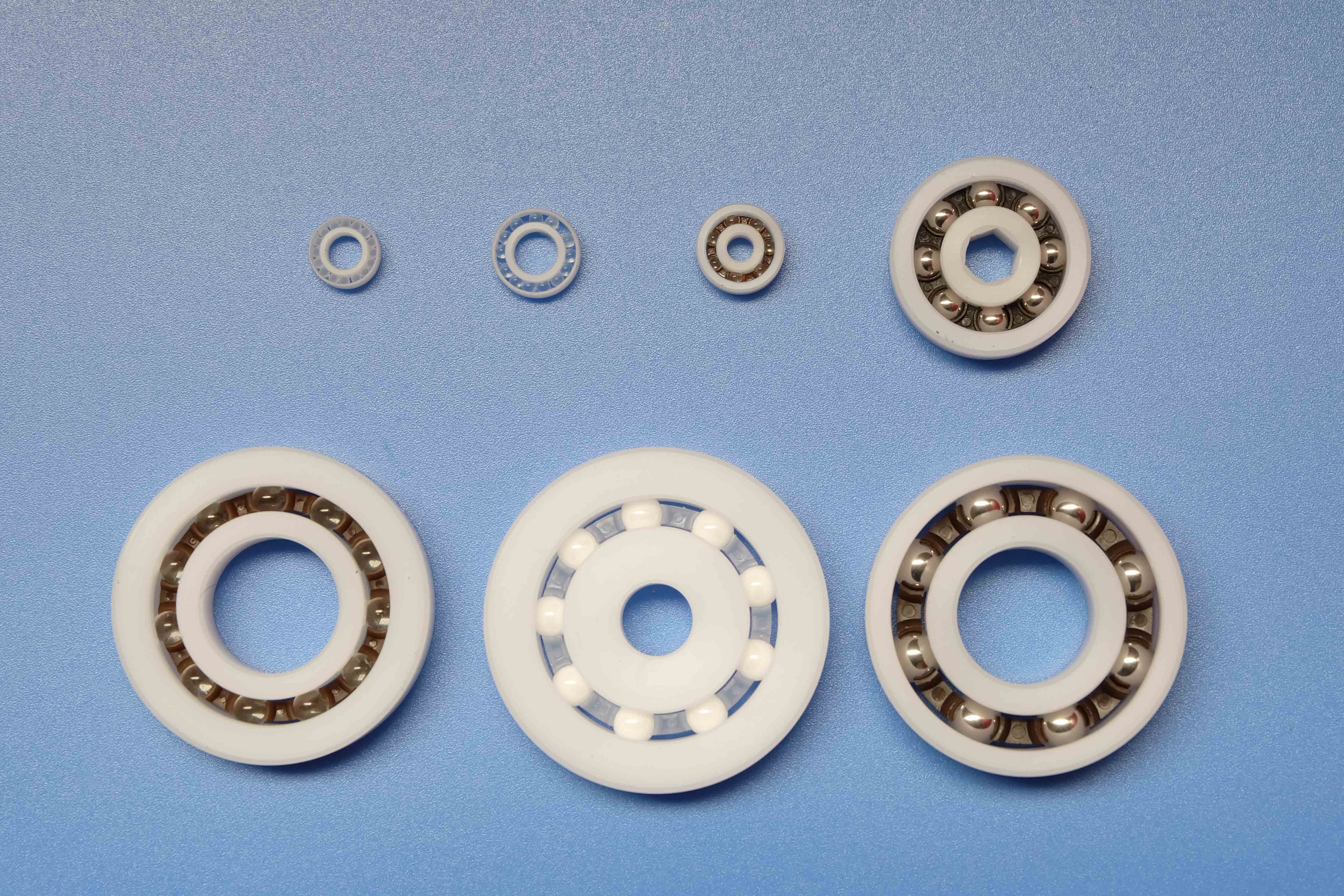
The difference between plastic bearings and metal bearings
Bearing products are divided into plastic and metal, although the basic function of the actual work is the same, but in the end are two different types of bearing products, it can be seen that there is still a big difference, can be distinguished from the following:
1. Quality
It is obvious that the weight of plastic must be lighter than metal, so the plastic bearings manufactured are also more dominant at the quality level, and can better meet the design standards of lightweight products.
2. Process
General plastic bearings are produced and processed by injection molding, and the simple process is particularly suitable for the production and processing of mass products, while metal bearings need to be cast and other related processes, resulting in the complexity of metal bearings can not meet the standards of mass production.
3. Performance
Even if the plastic bearing is used in harsh environments, it will not be affected by environmental factors, resulting in rust, corrosion and other abnormal phenomena. The metal bearing in this respect can not be guaranteed, because the metal is very easy to react with acid, alkali and so on, causing rust.
4. Service life
The excellent performance level, coupled with the whole is made of lubricating materials, resulting in a long service life of plastic bearings, and metal bearing surface lubrication materials if the friction is finished, the service life will be affected.
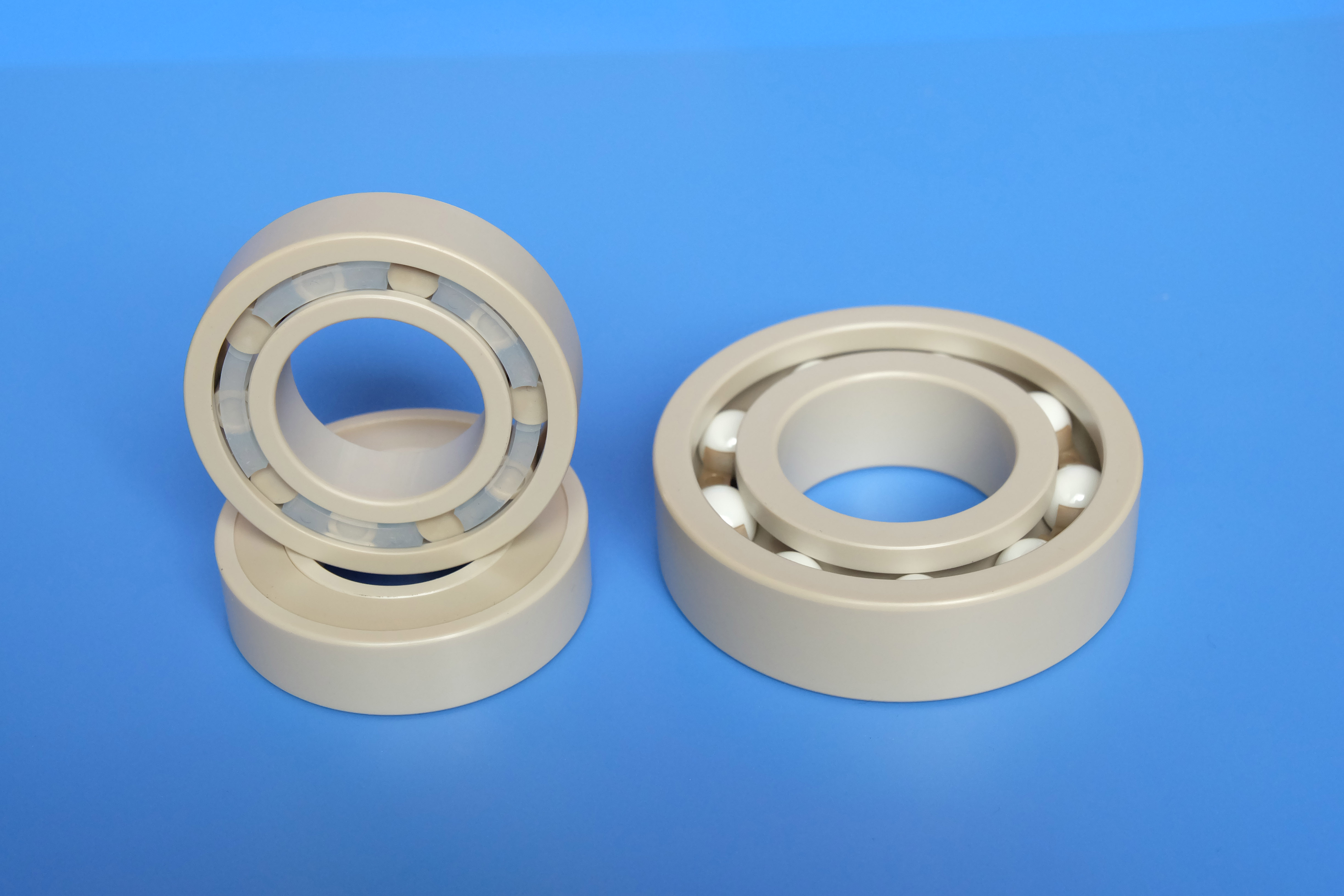
The use of plastic bearings
1, plastic bearings in Marine equipment
Due to the ever-present risk of corrosion, the Marine industry faces a huge challenge. Plastic bearings used in the Marine industry, depending on the material of the sphere and cage, can be permanently immersed in seawater.
2, plastic bearings in food and beverage equipment
The food industry has many corrosion hazards for bearings. From disinfection of chemicals to repeated rinsing, bearings operating in this sector have to deal with many challenges. For applications where stainless steel bearings are too corrosive, food-grade plastic bearings made of acetal resin, polypropylene or PEEK provide an alternative. However, plastic bearings can operate without lubrication, eliminating the risk of contamination and concerns about scour.
3, plastic bearings in pharmaceutical or chemical equipment
In the pharmaceutical or chemical industry, acetal resin corrosion resistant bearings can cope well with a variety of alcohols and chlorides, while polypropylene bearings have good acid and alkali resistance. If your application is highly variable, PEEK bearings can be used in situations where multiple chemicals are present. Acetal resin corrosion resistant bearings can cope well with many alcohols and chlorides, while PTFE bearings will provide excellent acid and alkaline resistance.
4, plastic bearings in vacuum or clean room equipment
Plastic bearings generally run cleaner than metal bearings because they do not require lubrication to run and do not rust. Plastic bearings can also be equipped with special low-volatile perfluorinated greases that have a very low degassing rate and are designed to perform well in highly regulated conditions such as clean rooms. These greases are often used in applications such as semiconductor manufacturing or deep space equipment.
5 Plastic bearings in NMR equipment
MRI scanners are high-value pieces of equipment that hospitals want to continue operating without high-maintenance parts. Plastic ball bearings become completely non-magnetic when fitted with polymer, glass or ceramic balls. They are ideal for use in MRI X-ray devices or sensors that do not exhibit any magnetic distortion.
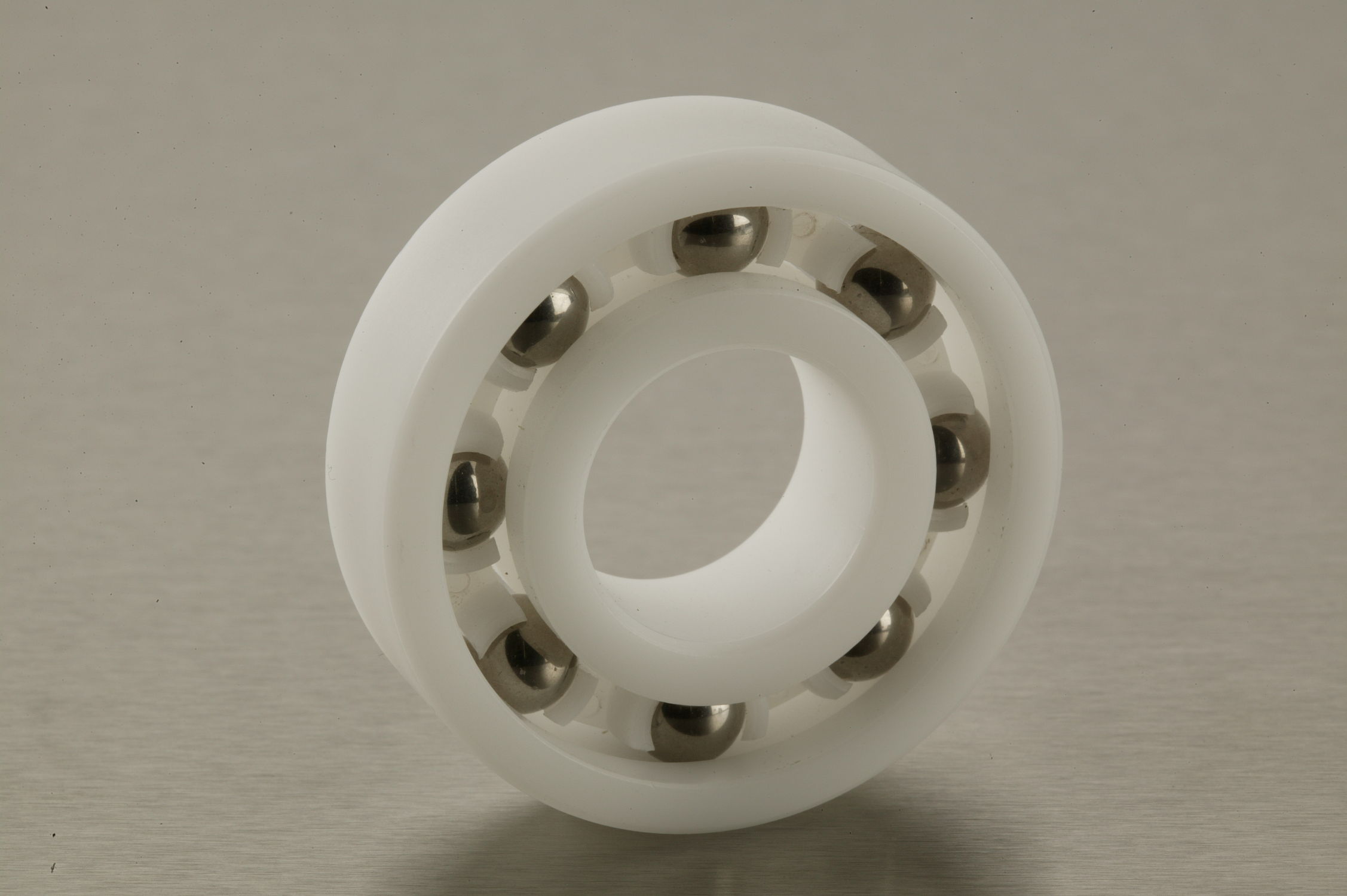
About Us Product Infor Application Service Human Resources Contact us
———— ———— ———— ———— ———— ———— ————
Company Profile Hign-Perfomance E?egineering? news Industry Application Technical Q&A Humanistic care Contact information
C?ompany culture E?egineering Plastic Applications Humanities Policy Online message
Enterprise Honor Fluoroplastic Job Recruitment